
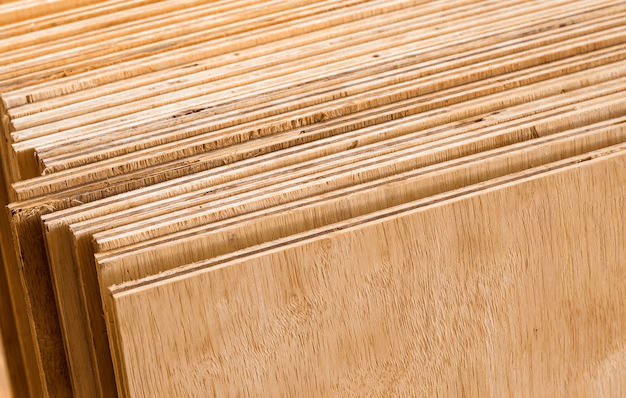
When it comes to woodworking and construction projects, one of the fundamental decisions you’ll face is whether to use plywood or solid wood. Each material has its own set of advantages and disadvantages, making it essential to choose the right one for your specific needs. At Tacon Wood Industry, we understand the importance of this decision and are here to help you make an informed choice. Below, we compare plywood and solid wood to highlight their key differences and applications.
What is Plywood?
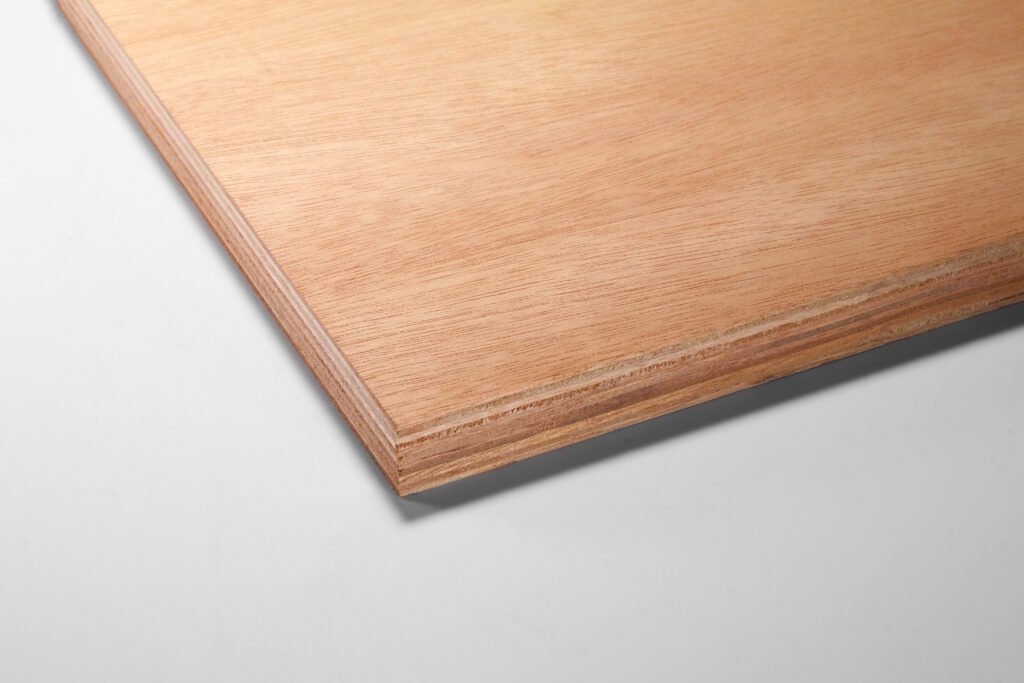
Plywood is an engineered wood product made from thin layers (veneers) of wood that are glued together with adjacent layers having their wood grain rotated up to 90 degrees to one another. This cross-grain technique enhances its strength and reduces the likelihood of splitting when nailed at the edges.
Key Characteristics of Plywood:
- Strength and Stability: Plywood’s cross-grain structure makes it strong and stable, reducing the risk of warping and cracking.
- Versatility: Available in various grades, thicknesses, and sizes, plywood is suitable for a wide range of applications.
- Cost-Effective: Generally more affordable than solid wood, plywood provides a budget-friendly option without compromising on quality.
- Ease of Use: Plywood is easy to cut, shape, and handle, making it a favorite among DIY enthusiasts and professionals alike.
Common Applications of Plywood:
- Construction: Used for subfloors, roofing, and wall sheathing due to its strength and durability.
- Furniture: Ideal for cabinets, shelves, and other furniture pieces where stability is crucial.
- Interior Design: Used for wall panels, doors, and decorative elements thanks to its versatility and aesthetic options.
What is Solid Wood?
Solid Wood refers to wood that is cut directly from trees and used in its natural form. It boasts natural beauty, strength, and durability, making it a traditional choice for high-quality furniture and construction.
Key Characteristics of Solid Wood:
- Aesthetic Appeal: The natural grain and texture of solid wood offer unmatched beauty and character, which can be enhanced with stains and finishes.
- Durability: When properly maintained, solid wood can last for decades, making it a long-term investment.
- Strength: Solid wood is exceptionally strong and can bear significant weight, making it suitable for structural applications.
- Natural Variation: Each piece of solid wood is unique, with natural variations in grain, color, and texture adding to its charm.
Common Applications of Solid Wood:
- Furniture: Preferred for high-end furniture pieces such as dining tables, chairs, and bedroom sets due to its beauty and strength.
- Flooring: Solid wood flooring offers a timeless, elegant look that can be refinished multiple times.
- Construction: Used for structural components like beams, posts, and joists where strength is paramount.

Plywood vs. Solid Wood: A Side-by-Side Comparison
| Feature | Plywood | Solid Wood |
|---|---|---|
| Strength | High, due to cross-grain construction | Very high, particularly in hardwoods |
| Stability | Very stable, less prone to warping | Can warp or crack with changes in humidity |
| Cost | Generally more affordable | Can be expensive, especially hardwoods |
| Weight | Lighter, easier to handle | Heavier, which can be beneficial for certain applications |
| Aesthetic | Versatile, can mimic various wood grains | Natural, unique grain patterns |
| Workability | Easy to cut and shape | Requires more skill and effort to work with |
| Durability | Long-lasting, suitable for various uses | Extremely durable, especially when maintained |
| Environmental Impact | Often made from fast-growing species | Can have higher environmental impact if sourced unsustainably |
Choosing the Right Material for Your Project
When deciding between plywood and solid wood, consider the following factors:
- Budget: Plywood is generally more cost-effective, making it a good choice for large projects or those with budget constraints.
- Aesthetics: For high-end furniture and flooring where natural beauty is a priority, solid wood is the preferred choice.
- Structural Needs: Solid wood may be the best option for heavy-duty structural applications, while plywood’s stability and ease of use make it ideal for many construction projects.
- Environmental Concerns: Look for sustainably sourced materials, whether you choose plywood or solid wood, to minimize your environmental impact.
At Tacon Wood Industry, we offer a wide range of both plywood and solid wood products to meet your diverse needs. Our team of experts is here to help you select the perfect material for your project. For more information or to discuss your specific requirements, please contact us at taconsales86@gmail.com.


