
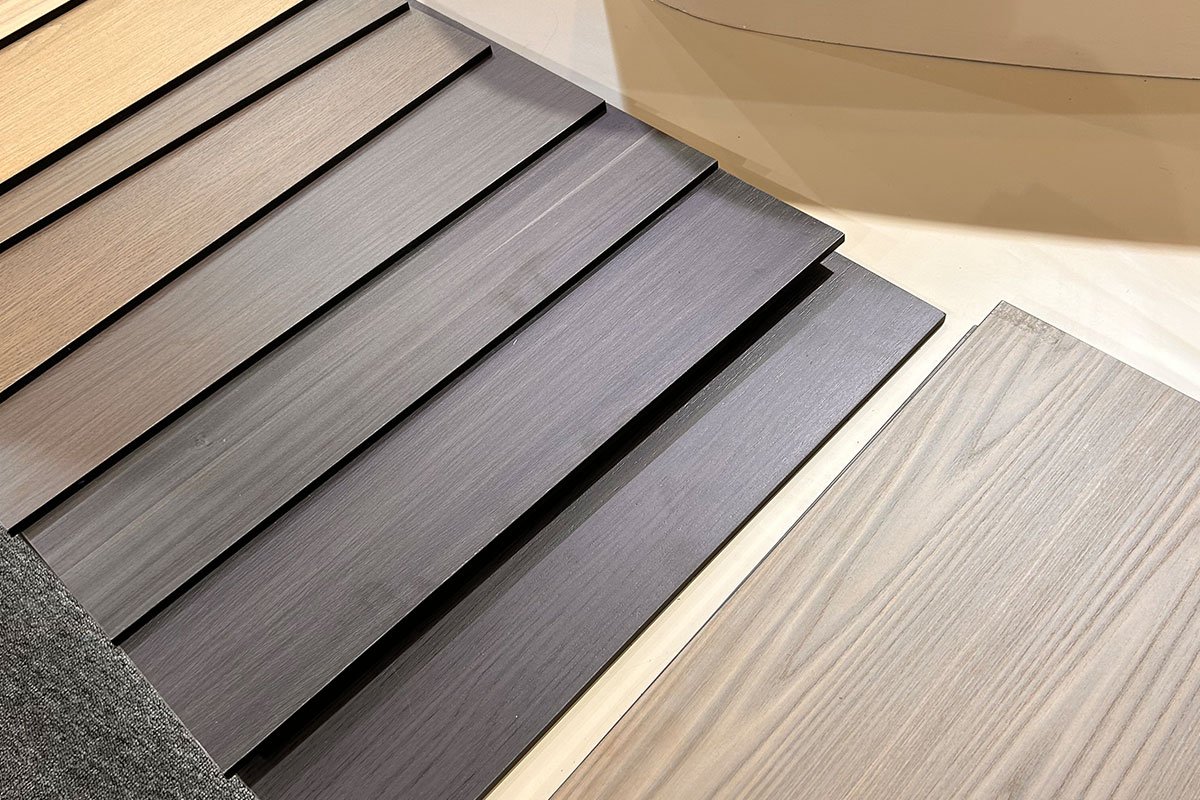
Particle board is a budget-friendly and highly versatile engineered wood board made from wood chips, sawdust, and resin, compressed into dense, flat sheets. As one of the most widely used wood-based panels, particle board offers a smooth surface, uniform structure, and excellent compatibility with laminates or veneers — making it a go-to material for furniture manufacturers, interior designers, and builders around the world.
Whether you’re creating office desks, kitchen cabinets, or wall panels, particle board is a cost-effective alternative to plywood and MDF, offering a smart balance of price, performance, and sustainability.
How Is Particle Board Made?
The manufacturing process of particle board involves several steps:
- Wood Processing – Waste wood materials like sawdust and wood chips are collected.
- Drying & Sizing – The wood particles are dried and refined to a uniform size.
- Resin Application – The particles are mixed with a strong adhesive resin.
- Compression & Heat Treatment – The mixture is compressed under high pressure and heat to form sheets.
- Cutting & Finishing – The boards are cut into different sizes and finished with laminates or veneers.
Types of Particle Board
- Standard Particle Board – The most common type, used in furniture and interior applications.
- Melamine Faced Particle Board – Covered with a decorative melamine layer for enhanced aesthetics.
- Laminated Particle Board – Features a laminate coating for increased durability and water resistance.
- Moisture-Resistant Particle Board – Specially treated for use in humid environments like kitchens and bathrooms.
- Fire-Retardant Particle Board – Infused with fire-resistant chemicals for added safety.
Advantages of Particle Board
✅ Affordable – Particle board is significantly cheaper than plywood and MDF.
✅ Eco-Friendly – It utilizes wood waste, making it a sustainable option.
✅ Smooth Surface – Ideal for laminates, veneers, and paint finishes.
✅ Lightweight – Easier to transport and handle compared to solid wood.
✅ Versatile Applications – Suitable for furniture, cabinetry, wall panels, and flooring.
Common Uses of Particle Board
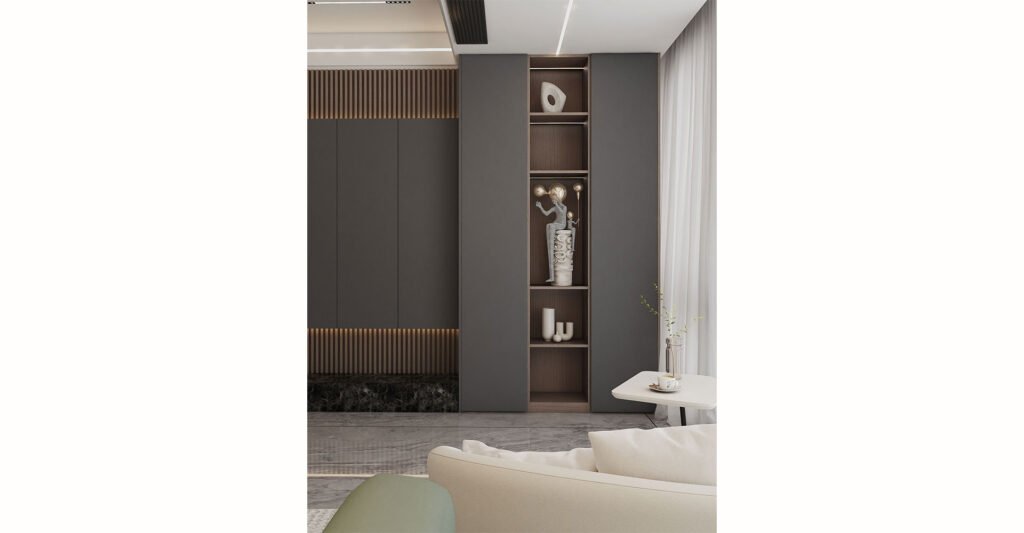
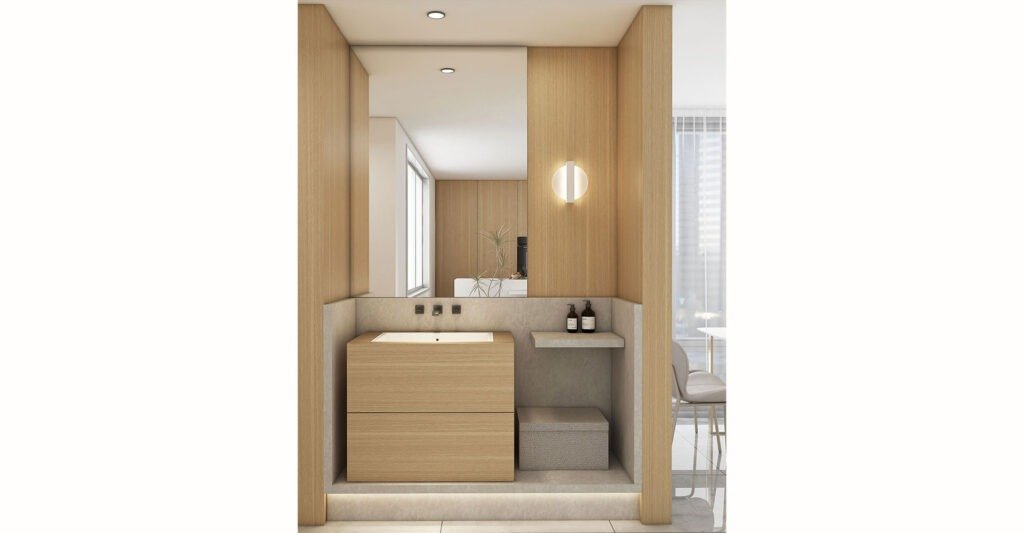
- Furniture Manufacturing – Used in office desks, wardrobes, kitchen cabinets, and shelving units.
- Interior Decor – Applied in wall paneling, partitions, and ceiling panels.
- Flooring – Provides a smooth subfloor base under carpets and laminate flooring.
- Packaging Industry – Used for making crates and lightweight packing boxes.
Particle Board vs. MDF vs. Plywood
| Feature | Particle Board | MDF | Plywood |
|---|---|---|---|
| Cost | Low | Moderate | High |
| Strength | Moderate | Higher than PB | Strongest |
| Weight | Light | Heavy | Moderate |
| Moisture Resistance | Low (unless treated) | Moderate | High |
| Surface Smoothness | Smooth | Very Smooth | Rough |
| Best For | Furniture, shelves | Decorative panels, doors | Structural applications |
How to Maintain Particle Board
✔ Avoid Excess Moisture – Keep particle board away from direct water exposure.
✔ Use Protective Coatings – Apply laminate or veneer to extend its lifespan.
✔ Handle with Care – Prevent heavy impact to avoid chipping or cracking.
✔ Regular Cleaning – Wipe with a dry or slightly damp cloth to remove dust and stains.
Why Choose Tacon Wood Industry for Your Particle Board Needs?
At Tacon Wood Industry, we specialize in high-quality particle board for furniture, construction, and interior applications. Our affordable pricing, custom sizes, and eco-friendly solutions make us a trusted choice for global customers. Contact us today at taconsales86@gmail.com for more details or a free quote!
FAQs About Particle Board
Is particle board good for furniture?
Yes, especially for indoor furniture. It offers an affordable solution for cabinets, wardrobes, and shelving units, especially when covered with laminate or veneer.
What is the difference between particle board and MDF?
MDF is denser, smoother, and stronger than particle board, but it’s also more expensive. Particle board is lighter and more cost-effective for basic furniture needs.
Is particle board waterproof?
Standard particle board is not waterproof, but moisture-resistant particle board is available for areas with higher humidity.
Can particle board be painted or laminated?
Yes. It has a smooth surface suitable for painting, laminating, veneering, and even melamine coating.
How long does particle board furniture last?
With proper use and protection from moisture, it can last 5–10 years or longer depending on the environment and quality of finishing.


